


Can Somatic Therapy Help With Anxiety?
Summary: Anxiety is often experienced just as strongly in the body as it is in the mind, from a racing heart and muscle tension to restlessness or feeling constantly on edge. This post should explain how somatic therapy can help with anxiety by working with the body and nervous system, while introducing practical somatic exercises readers can use to support regulation.
Introduction
Anxiety can be an incredibly debilitating experience. It impacts both the mind and the body. Traditional therapeutic approaches often focus on anxious thoughts and behavioural changes to help reduce symptoms. This limits the experience of resolving anxiety to the cognitive and behavioural aspects of anxiety. Somatic therapy goes beyond these realms. This is because it also explores the physical sensations and nervous system responses connected to anxiety.
What Is Somatic Anxiety?
Anxiety often has a physical body sensation element with it. Primarily anxiety is a worry and fear based issue. As such, it activates the brains amygdala (the fight/flight/freeze response). When this part of the brain is activated our body is naturally wired to only do these things.

Hence, anxiety often manifests physically through symptoms such as muscle tension, a racing heart, shallow breathing, restlessness, stomach discomfort, or feeling constantly on alert. An approach that focuses on nervous system regulation for anxiety can help ease these physical symptoms.
Can Somatic Therapy Help With Anxiety?
As somatic therapy is a nervous system focused therapy it can help people become more aware of their body’s responses to anxiety. Through a somatic approach, you learn to sense early signs of when the body is becoming anxious. And, you’ll be able to develop ways to support nervous system regulation. This can help with catching anxiety early on before it worsens.
Whether this is an anxious thought in it’s early stages. Or the beginning of a flight/fight/freeze response. Catching the sensations early can help you course correct and feel more at ease. You can also have a greater sense of safety, and overall, experience less anxiety over time due to your nervous system regulating more.
How Does Somatic Therapy for Anxiety Work?
Somatic therapy works beyond thoughts. It’s not that somatic therapy ignores thoughts. Thoughts are only one of the channels of focus in somatic therapy. Somatic therapy usually focuses on 5 different areas: sensations, emotions and affect, behaviour, images, and meaning making (commonly known as thoughts). Somatic therapy brings awareness to physical sensations, emotions, and nervous system responses rather than focusing solely on thoughts.
Going beyond a cognitive focus of anxiety can help people recognize and respond differently to anxiety as it arises. Often anxiety arises as a body sensation first. Even if it quickly moves into a thought pattern. Learning to recognise the body sensations of anxiety means you can respond more quickly and calm the body. By calming the body first, more balanced thoughts (that don’t feel as anxious) may be accessible quicker. This can then lead to less anxious behaviours. Or less anxious decision making in the moment.
Somatic Exercises for Anxiety
Somatic exercises are simple, body-based tools. With regular practice they may help you better regulate your nervous system. The below exercises help bring you into the present moment. Skills such as grounding through your senses, slowing down your breathing, and orienting to your surroundings help bring you to the present moment.

Photo by Sonam Photo
Noticing where anxiety presents in your body can help you identify any triggers. This can help you address them earlier, before anxiety amplifies. Gentle movement is a strategy to help release the energy of anxiety. Lets explore each tool more in depth.
Grounding Through Your Senses
Your 5 senses are a simple, yet powerful, way to reduce anxiety. Intentionally slowing down and noticing the world around you brings you into the present moment. If the present moment is safe, then your brain can be brought out of anxiety. When we are present, we are also not running off with worried thoughts.
Next time you feel anxious, try this simple exercise. It’s known as 5,4,3,2,1 and is a simple mindfulness exercise. Begin be noticing 5 things in your environment with your eyes. Try not to make it a checklist. Slowly, notice 5 items in your environment. Then, slowly take in 4 sounds you hear. Take in 3 sensations you can notice against your skin. Now, 2 things you smell (or you enjoy the smell of). Finally, notice if you can taste something. Repeat the exercise slowly if you continue to feel anxious.
Slow, Intentional Breathing
When anxiety is around, often breathing becomes shallow and chest focused. This shortening of breath doesn’t allow the body to fully oxygenate. It can amplify any felt anxiety. This is where slow, intentional breathing comes in. Slowing down and becoming aware of your breath help create a sense of calm.
Becoming aware of the breath can help you start to slow your breath down. Try placing one hand on your chest and the other on your belly. As you slow down your breath, breath in through your nose and out through your mouth. Practice breathing deep in your belly. Your hands are a good marker. The rising of your lower hand on your belly indicates you’re breathing deeply.
This may feel difficult at first. But, don’t worry! With practice you’ll become better at slow, deep breathing. Over time, you’ll find that full diaphragm breathing becomes your natural breathing.
Notice Where Anxiety Shows Up in Your Body
Next time anxiety arises try to gently notice the sensations in your body. Some common sensations of anxiety can be tightness, heaviness, warmth, or tension. As mentioned earlier, you may also experience shallowness in the breath as well. While you’re noticing the sensations of anxiety, try not to immediately change them.
Simply becoming aware of the sensations may let them move through. By doing this, you’re parasympathetic nervous system (the rest part of the nervous system) may turn on. This will help the feelings of anxiety cease. If it feels too intense, or the anxiety feels like it’s increasing, then stop doing the exercise. You can try again in the future.
Becoming aware of the sensations of anxiety can help you catch anxiety earlier in the future. Before it feels more intense. By catching the signs of anxiety earlier, you can address it. Often, the earlier stages of anxiety don’t feel as overwhelming. Your capacity to address it may feel larger than when the anxiety feels more intense.
Gentle Movement
Sometimes slowing down isn’t the right answer for anxiety. Movement can help reduce anxiety as well. Moving helps the sensations arising from the ‘flight’ part of the brain to settle. Often this ‘flight’ part of the nervous system is a component of anxiety.
Walking is a simple movement available to most. Walking, or even running, may help release some of the physical energy associated with anxiety. Standing up and shaking out your body may also help move this energy through the body. If either of these motions feel too strong, gentle stretching is another alternative.
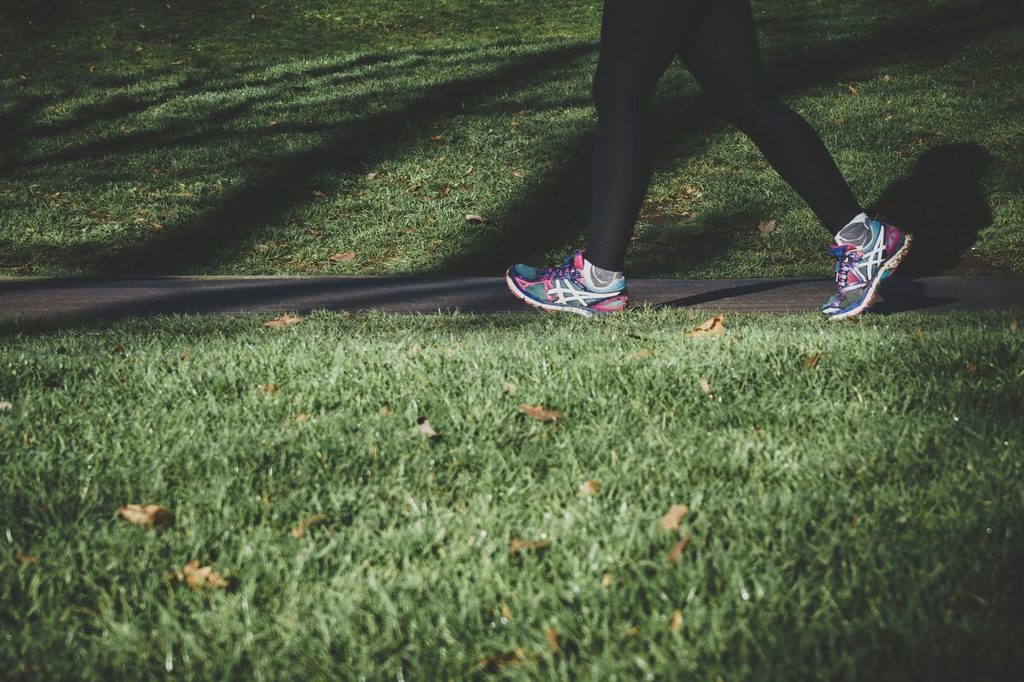
Photo by Arek Adeoye on Unsplash
You don’t need to be a yogi to do stretching (though you’re welcome to do yoga stretches as well)! Stretching may help the body feel more calm and activate the parasympathetic nervous system. Any other comfortable movement is also welcome. Give it a try next time you feel anxious.
Orienting to Your Surroundings
Looking around and noticing cues of safety in your environment can help calm the nervous system. Often, anxiety is not focused on the present moment. By scanning your environment for safety (if it is indeed safe) then your nervous system will recognise that it is in the present moment. This can help calm the amygdala part of the brain and reduce anxiety.
To orient, slowly turn your head left, right, behind. Look up and look around. As you do this intentionally scan your environment with your senses. Notice the sounds you hear. The sights you see. Notice anything your skin is touching. Also notice is you taste something. Pay attention to the smells around you.
As you orient, try to land on something that feels good. This is called orienting to pleasure. By tuning into something pleasurable in your environment, your brain will know the present moment is safe. Then slowly sense if you feel less anxious.
When Somatic Exercises Aren’t Enough
Self-guided techniques can be helpful, and an important part of managing anxiety. However, they’re not a replacement for professional support. There are some signs that professional support may be needed.
Sometimes anxiety is persistent or feels likes a constant feeling. If you’re experiencing a lot of overwhelm that struggles to subside then somatic exercises may not be enough. If it feels like self-guided exercise aren’t sticking then you may benefit from more support. Another sign of more intense anxiety is if it’s interfering in your day-to-day life. These are all signs that it may be time to reach out to a professional. Whether it’s a therapist or your family doctor, know that support is available.
How Somatic Therapy Can Support You
Working with a therapist can help individuals understand anxiety. Therapy provides specialised support individualised to you. Somatic therapy for anxiety can help you recognize nervous system patterns. It also provides body-based therapy for anxiety in a safe and supportive environment.
To learn more about Somatic Touch Therapy or book a complimentary consultation reach out to Grounded Path Therapy. Our therapists are here to help you live your best anxiety reduced life!

WORK WITH US
We deeply believe in the innate power of healing and the capacity of each of us to live our authentic selves. We all have the capacity to heal and live what we may have initially imagined was an unreachable dream for ourselves.


